

Sunstroke in children
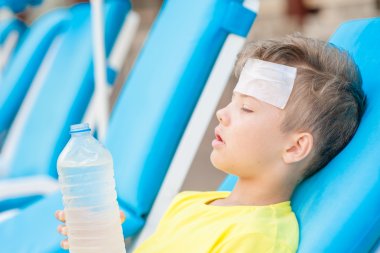
Prolonged and direct exposure to sunlight on the uncovered head and neck can lead to irritation of the meninges. Young children are particularly at risk.
Signals:
© Alexander Ermolaev/Shutterstock
- a bright red, hot head, even though the body temperature is normal and the rest of the skin feels normally warm
- Headaches, dizziness
- Nausea and vomiting
- The child is restless and confused
- Stiff neck
- possible circulatory problems, possibly leading to loss of consciousness
Here’s how you can help:
- Rest in a cool place, lie still, with your head and neck raised
- Offer drinks
- Gently cool the area with damp, lukewarm cloths (do not let it get too cold)
- If the person is unconscious, administer first aid and call the emergency services
Here’s how you can prevent it:
- Wear hats with neck protection
- Avoid direct sunlight between 11 am and 3 pm
- prefer shady spots
Sunburn in children
© OMfotovideocontent/Shutterstock
Signals:
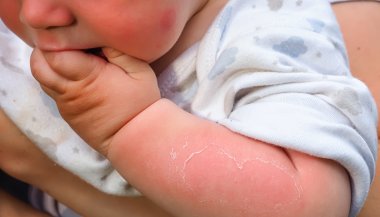
- 3–4 hours after sunbathing, the skin becomes red, hot and painful, and may swell
- A severe sunburn causes blisters, which require medical treatment
Here’s how you can help:
- Keep the child out of the sun and do not expose them to any further sunlight until the skin has fully healed (1–2 weeks)
- Cool the skin with cold, damp compresses (not too cold)
- Do not apply any home remedies such as talcum powder, flour, oil or ointments
- Apply a cooling children’s lotion (high moisture content)
- It is best to leave irritated areas of skin uncovered
- Ensure they drink enough, offer them drinks or breastfeed babies more frequently
- Under no circumstances should you burst the blisters yourself if you have severe sunburn (risk of infection); these require medical treatment
- Take an infant to the doctor, and likewise a child who is generally unwell (nausea, fever, circulatory problems)
- After 2–3 days, the skin will begin to regenerate; continue to keep the skin moisturised with lotion and do not actively peel off any flaky skin; also prevent your child from picking at the flaky skin
Preventative measures:
Sun cream suitable for children with an SPF of at least 30, UV-protective clothing, a hat and sunglasses, as well as avoiding direct sunlight between 11 am and 3 pm, can help prevent sunburn.
Do not expose children under one year of age to direct sunlight!